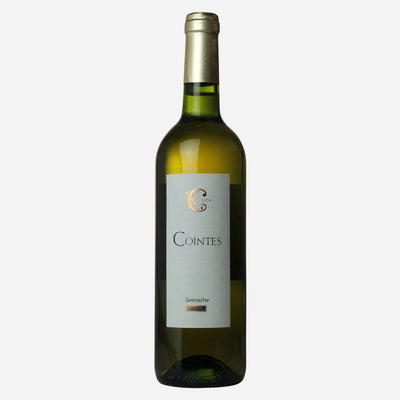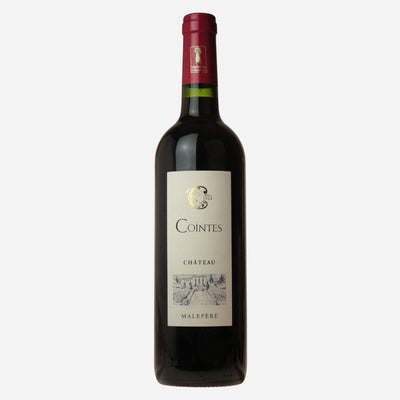
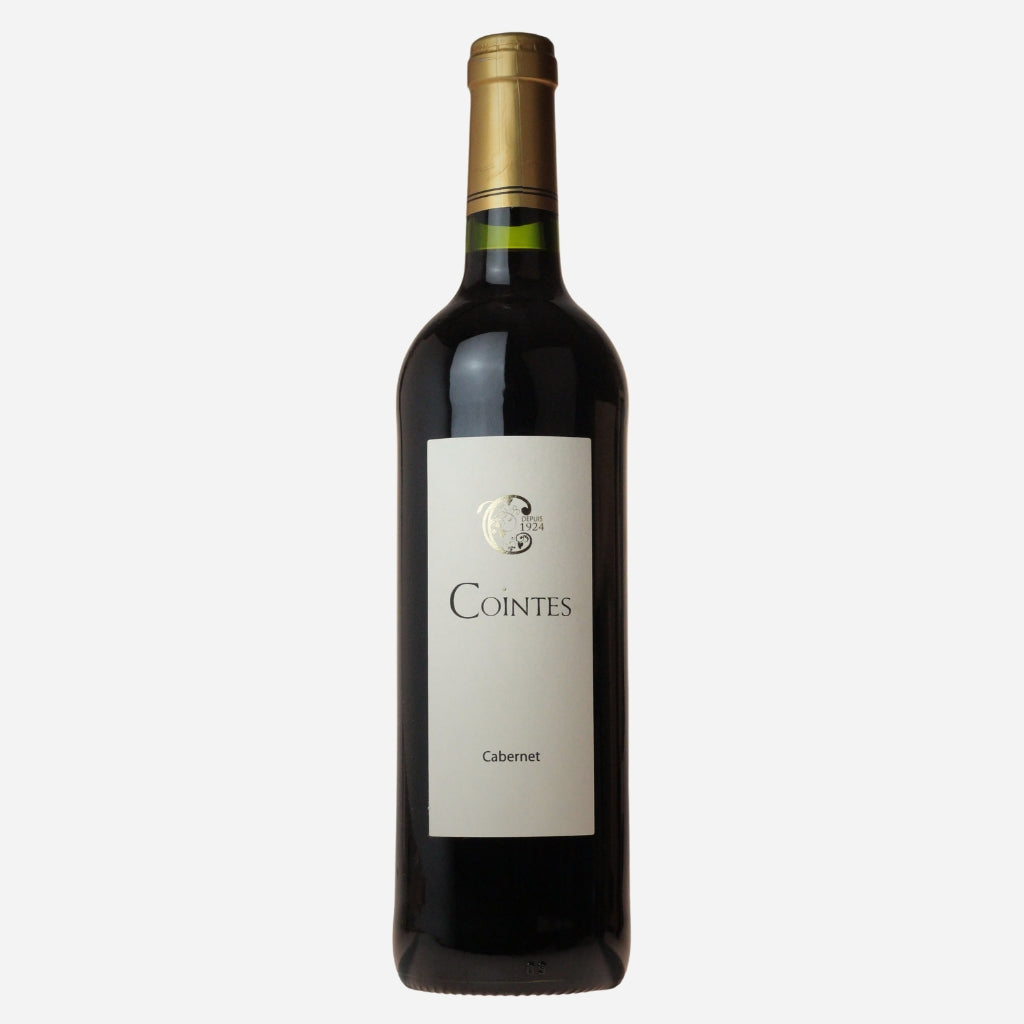
Côtes de Prouilhe: Chateau de Cointes Cabernet
- £12.95
£0.00- £12.95
- Unit price
- per

Soft structure, most pleasant light wine with rich colour.
Drinks well with light food.
| Vintage | 2020 |
| Region | Languedoc-Roussillon |
| Appellation | Côtes de Prouilhe |
| Style |
Red |
| Producer |
Chateau de Cointes |
| Grapes | 100% Cabernet Sauvignon |
| Pairing |
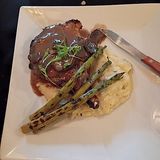
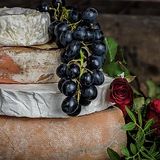
Pork, Cheese |
| Keeping | Drink within 5 years of bottling. |
| Vinification |
Traditional vinification, maceration of short duration, with 18 days of fermentation.
|
| Viticulture |
Made by a Independent Vineyard (Vigneron Independant)
|
| Bottle | 75cl |
| Volume | 14.0% |

The vineyard is situated south of the fortified city of Carcassonne in south-west France, Anne and Francois (he's a GP during the week and grower at the weekend), have taken over the vineyard from their family, who established the business twenty years ago.
They produce a range of single-grapes wines, as well as more complex whites and reds. This vineyard is in the Cotes de la Malepere - so permitted grapes include Bordeaux varieties such as Merlot and Cabernet Sauvignon, as well as Mediterranean grapes such as Syrah and Grenache.
The Languedoc, though often referred to loosely as a single entity, is not a wine appellation in its own right but a broad Mediterranean region encompassing a wealth of individual appellations. Traditionally, labels carried the specific titles of Languedoc AOC and its numerous sub-regions, from Corbières and Minervois to Pic Saint-Loup and Faugères. Since January 2016, the historic Languedoc-Roussillon and Midi-Pyrénées regions have been administratively merged into Occitanie, France's newest region. Stretching along the coast from the Rhône towards the Spanish border, the Languedoc is one of France's largest and most diverse wine-producing areas.
IGP Coteaux de Prouilhe is a small appellation in the Aude, in the western Languedoc, taking its name from the hamlet and historic Dominican priory of Prouilhe near Fanjeaux, in the hinterland between Carcassonne and the Malepère hills. Benefiting from a Mediterranean climate with cooler influences from the surrounding higher ground, the region produces characterful, easy-drinking wines.
Thanks for subscribing!
This email has been registered!
Make an Offer Price for this Item: