Tasting Notes

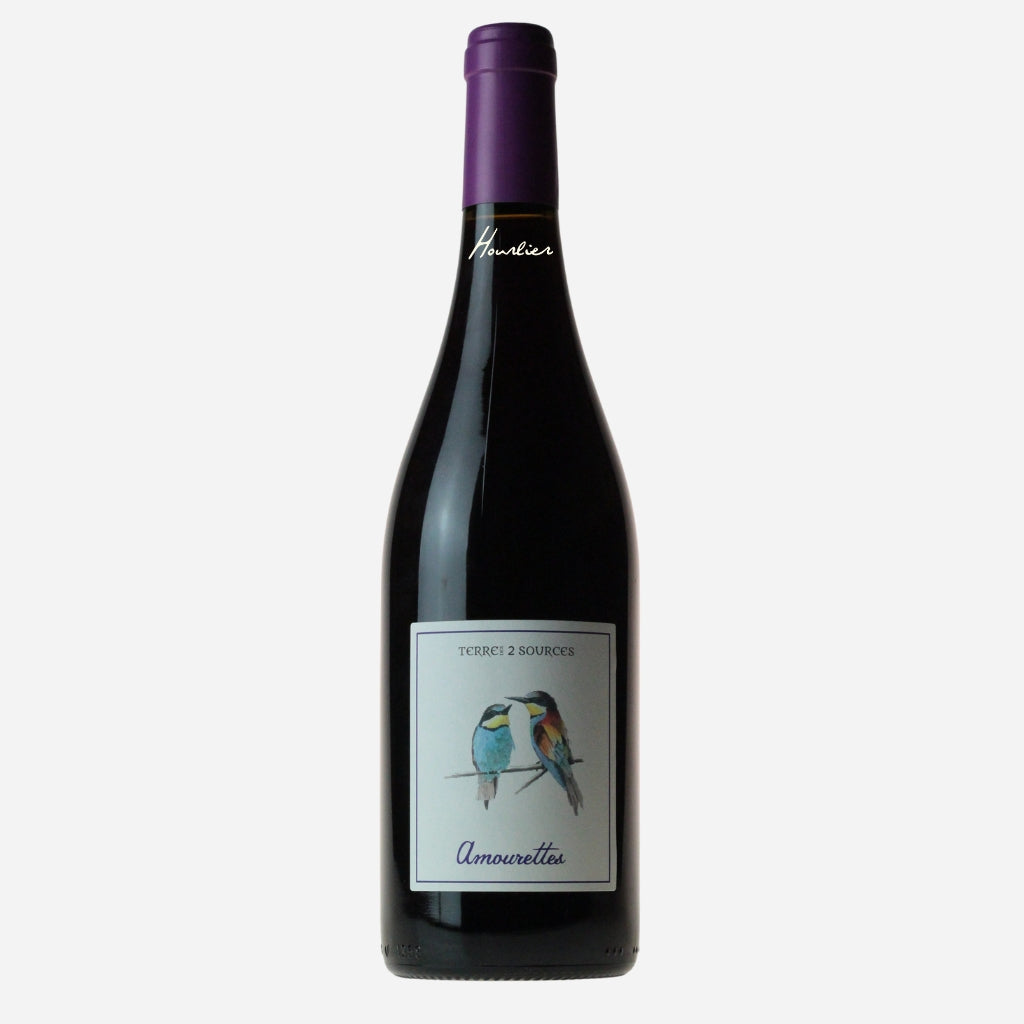
Easy to drink, an intense nose of ripe summer berries and hints of green leaf. The palate is all about fresh berries, soft tannins and memories of a hot summer.

Wine Information

Vintage 2022
Region Languedoc-Roussillon
Appellation IGP - Saint-Guilhem-Le-Desert
Style Red
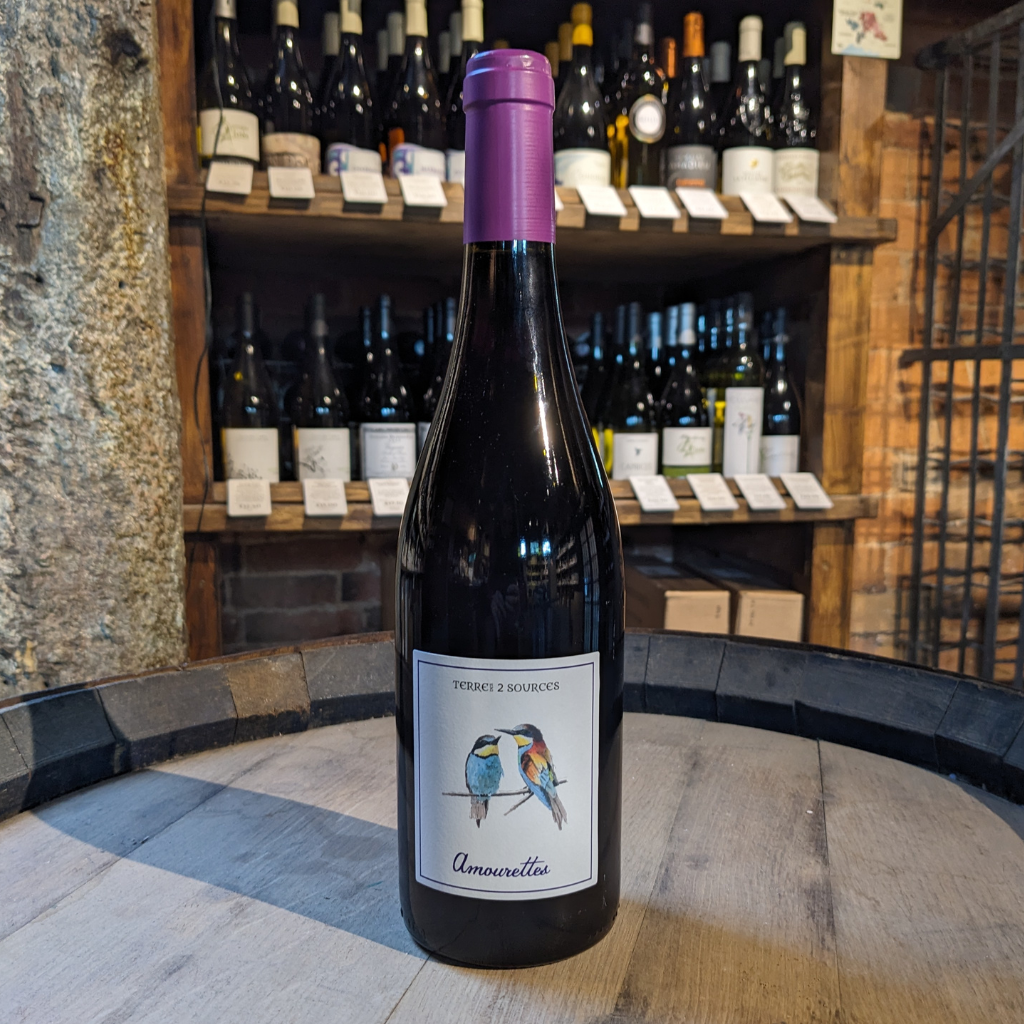
Producer Terre des 2 Sources
Grapes Merlot, Grenache Noir, Syrah, Carignan
Pairing Beef, Grilled Meat
Keeping For drinking now.
Vinification Fermentation in concrete tanks (mid 20's °C). Malolactic and alcoholic fermentations at the same time, then pressing. 2 months on full yeast lees to soften the palate. A small portion of the wine is aged in old foudre, giving a bit of body without imparting any oak flavours.
Viticulture Made by a Independent Vineyard (Vigneron Independant).
Bottle 75cl
Volume 13.0%


Terre des 2 Sources

Terre des 2 Sources

Terre des 2 Sources came from a dream: to find the right land and environment to craft exceptional wines. It didn't take too long for them to locate a gem just south of the Cévennes mountains, Domaine de la Devèze. With a variety of soils, slopes and aspects residing in a climate moderated by higher elevation and proximity to the mountains, the vineyards can produce wines of complexity and elegance.

Region and Appellation Information
Languedoc

Region – Languedoc

The Languedoc, though often referred to loosely as a single entity, is not a wine appellation in its own right but a broad Mediterranean region encompassing a wealth of individual appellations. Traditionally, labels carried the specific titles of Languedoc AOC and its numerous sub-regions, from Corbières and Minervois to Pic Saint-Loup and Faugères. Since January 2016, the historic Languedoc-Roussillon and Midi-Pyrénées regions have been administratively merged into Occitanie, France's newest region. Stretching along the coast from the Rhône towards the Spanish border, the Languedoc is one of France's largest and most diverse wine-producing areas.

Appellation – Saint-Guilhem-le-Desert

Saint-Guilhem-le-Désert takes its name from the beautiful medieval village and its abbey in the Hérault, set in the rugged hills and gorges of the Languedoc hinterland, north-west of Montpellier. This diverse country of limestone slopes, garrigue, and cooler upland influences produces characterful red, white, and rosé wines with welcome freedom in grape selection. The reds typically draw on southern staples such as Grenache, Syrah, Carignan, and Cinsault, alongside fresh, aromatic whites and rosés.