Tasting notes

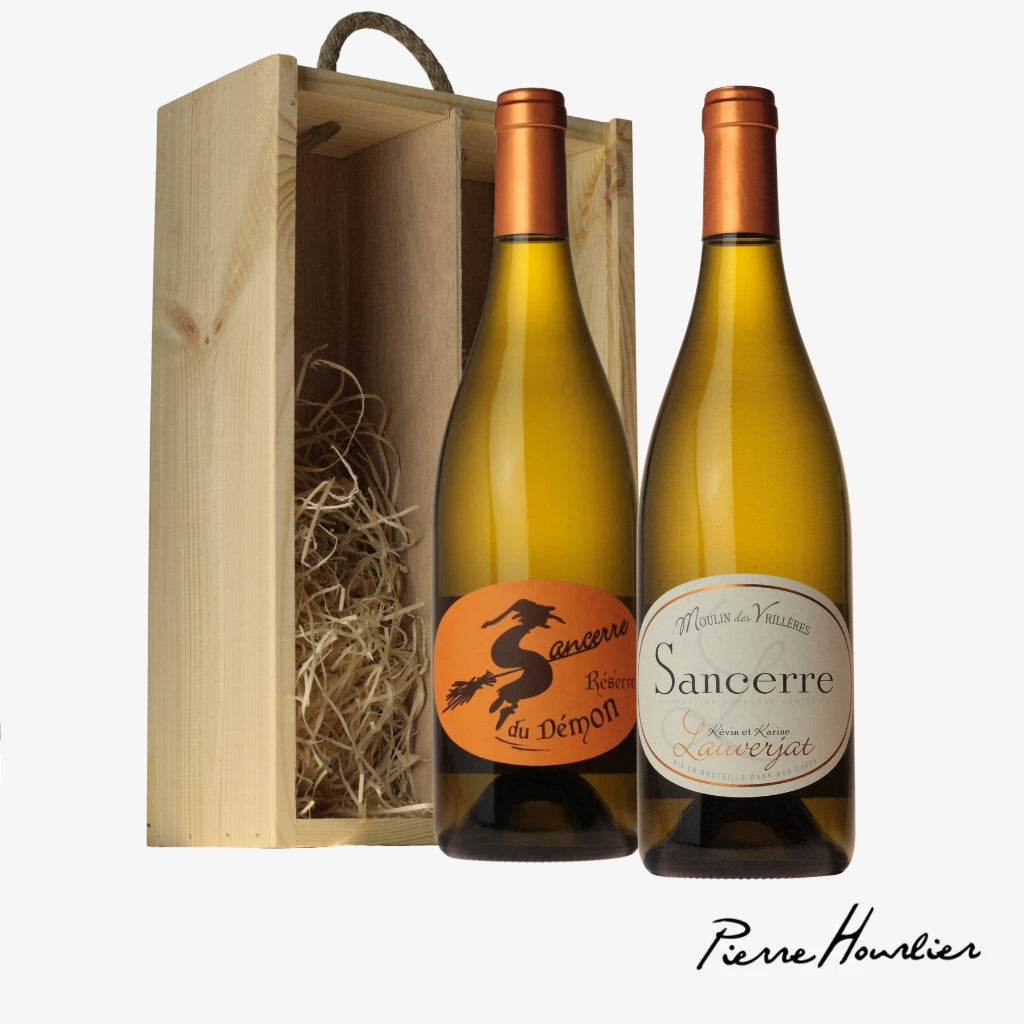
1 x Kevin et Karine Lauverjat Moulin des Vrilleres Sancerre 'Reserve du Demon'

An enticing and cheeky wine, offering a range of citrus fruits, honey and sage. The mouth is alive and invigorating, light and has fine length. The body is supported by rounded tannins.

1 x Kevin et Karine Lauverjat Moulin des Vrilleres Sancerre

Always a fashionable winner if you like Sauvignon. This particular wine has the merit to always please irrespective of the vintage. That has been the case for the last 25 years. It has a dry and most appealing roundness, and such a lovely lingering after-taste. Best drunk within 5 years, but will keep longer and will change in character.

Wine information

Region
Loire
Appellation
Sancerre
Style
White
In the case
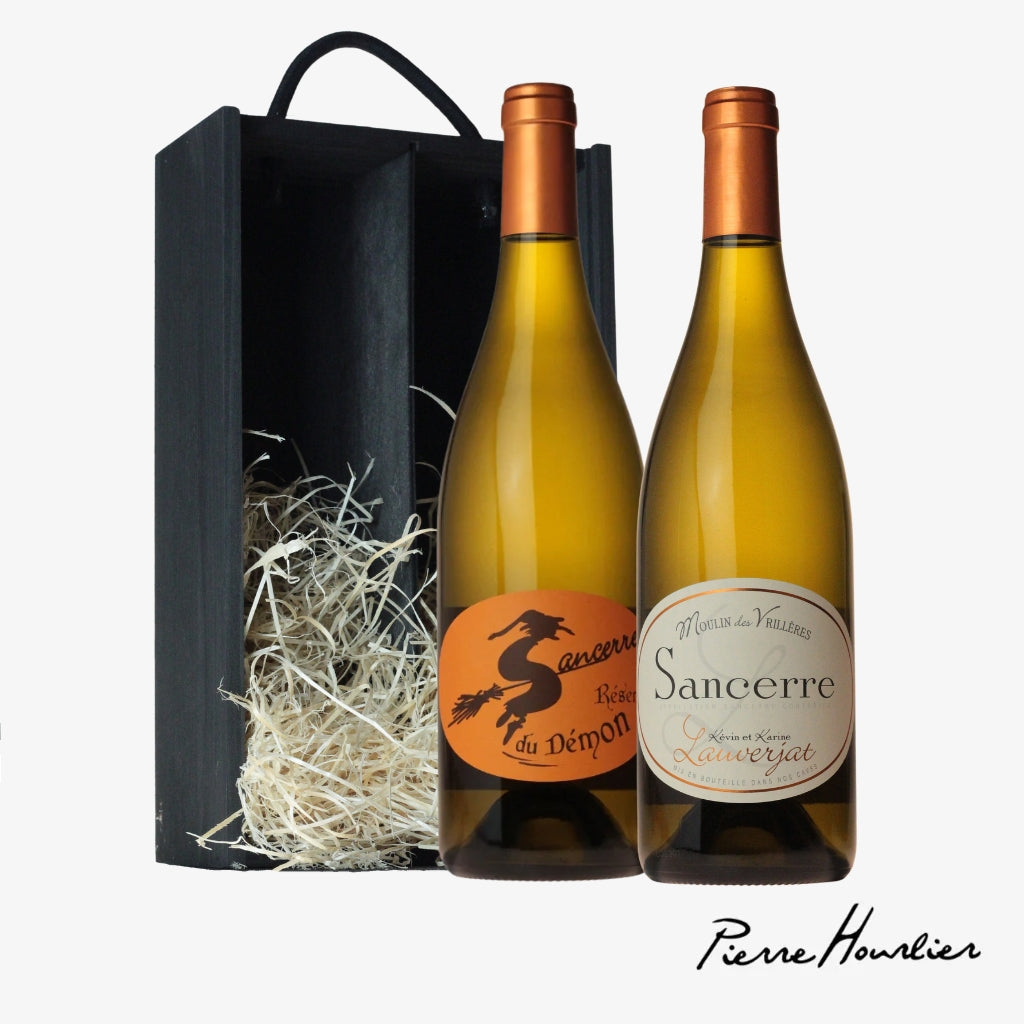
1 x Sancerre: Kevin et Karine Lauverjat Moulin des Vrilleres
1 x Sancerre: Kevin et Karine Lauverjat Moulin des Vrilleres Reserve du Demon
Tasting sheet (PDF) →
Region and Appellation Information
Loire

Region – Loire

The Loire is France's longest river, running almost 400km from the Massif Central westwards to the Atlantic, and gives its name to one of the country's most diverse wine regions. Spanning some 57,000 hectares across Loire-Atlantique, Anjou-Saumur, Touraine, and the Centre, it produces the full range of styles - fresh, light whites from Sauvignon Blanc and Chenin Blanc, elegant reds and rosés from Cabernet Franc, Pinot Noir, and Gamay, plus sweet and sparkling wines. Its western vineyards enjoy a maritime Atlantic climate, while the more easterly Centre is cooler and continental, and its chalky limestone soils help the wines retain their signature freshness and acidity. Home to 69 appellations, including the famous Sancerre and Pouilly-Fumé, the Loire offers something to please every palate.

Appellation – Sancerre

One of the world's most famous white-wine appellations, set on rolling hills on the left bank of the upper Loire, across the river from Pouilly-Fumé, with which it shares many characteristics. Though originally renowned for its Pinot Noir reds, it is now celebrated above all for its Sauvignon Blanc, made across some 2,800 hectares of limestone and flinty soils. Always dry, the wines are crisp and mineral with a persistent, thirst-quenching acidity that reflects the region's cool, continental climate. Sauvignon Blanc dominates, while Pinot Noir accounts for around 20% of production, going into elegant reds and fresh, fruity rosés.