Tasting Notes

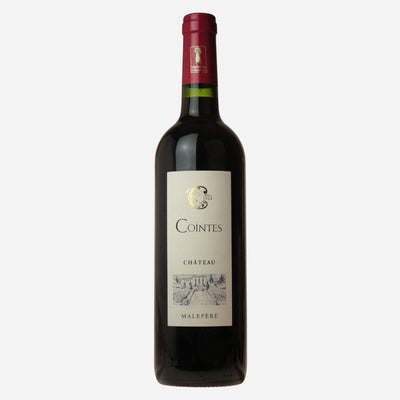
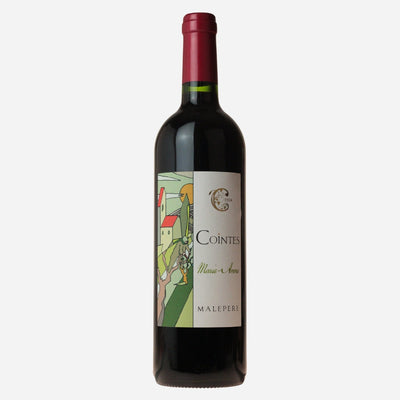
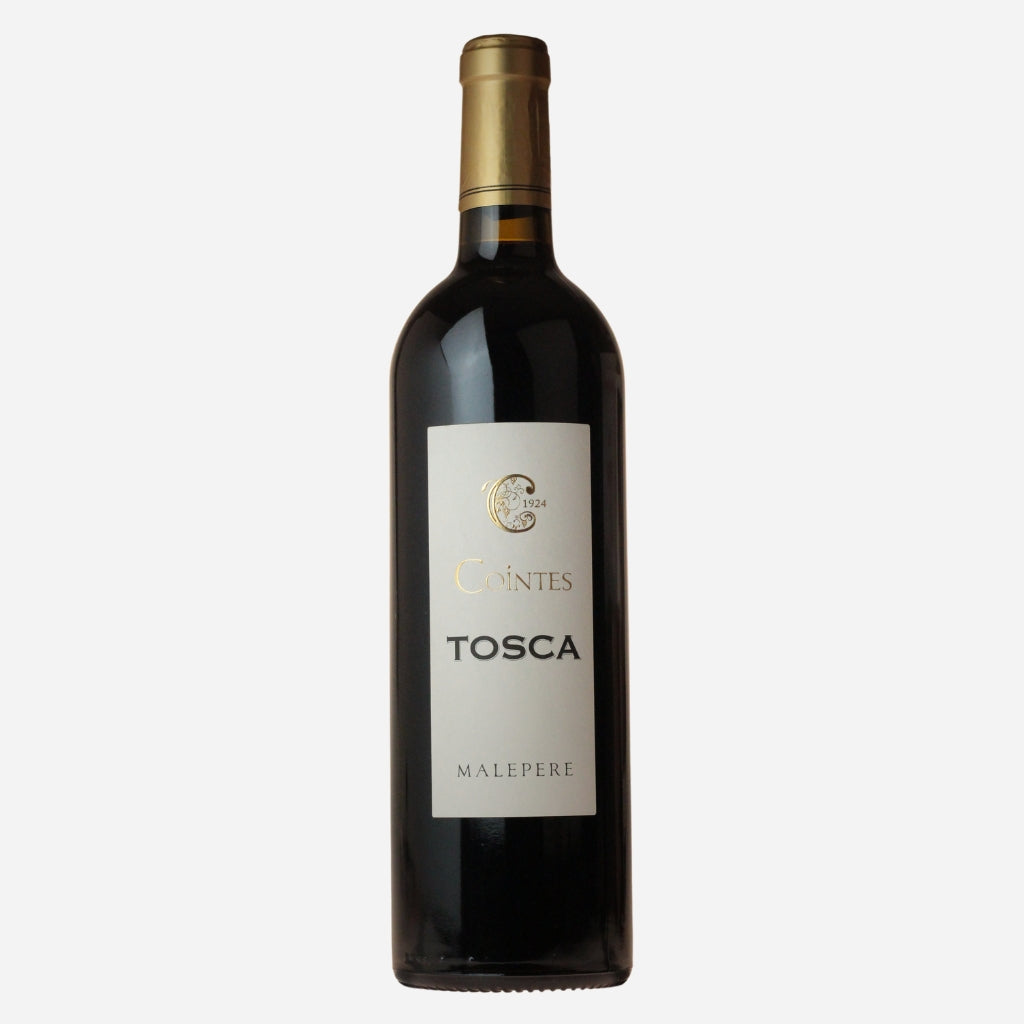
Robe of garnet, with an intense and complex nose of ripe fruit and compotes.

Very nice fleshy structure, long with good balance and smooth tannin.

Wine Information

Vintage 2017
Region Languedoc-Roussillon
Appellation Malepère
Style Red
Producer Chateau de Cointes
Grapes 50% Merlot, 20% Cabernet Sauvignon, 20% Cabernet Franc, 10% Grenache Noir
Pairing Pork, Cheese
Keeping Drink within 5 to 7 years of bottling.
Vinification

Grapes harvested from selected plots, whose performance has been regulated by green Harvesting. Long aging in barrels for 3 years.

Bottle 75cl
Volume 15.0%


Chateau de Cointes

Chateau de Cointes

The vineyard is situated south of the fortified city of Carcassonne in south-west France, Anne and Francois (he's a GP during the week and grower at the weekend), have taken over the vineyard from their family, who established the business twenty years ago.

They produce a range of single-grapes wines, as well as more complex whites and reds. This vineyard is in the Cotes de la Malepere - so permitted grapes include Bordeaux varieties such as Merlot and Cabernet Sauvignon, as well as Mediterranean grapes such as Syrah and Grenache.
Region and Appellation Information
Languedoc

Region – Languedoc

The Languedoc, though often referred to loosely as a single entity, is not a wine appellation in its own right but a broad Mediterranean region encompassing a wealth of individual appellations. Traditionally, labels carried the specific titles of Languedoc AOC and its numerous sub-regions, from Corbières and Minervois to Pic Saint-Loup and Faugères. Since January 2016, the historic Languedoc-Roussillon and Midi-Pyrénées regions have been administratively merged into Occitanie, France's newest region. Stretching along the coast from the Rhône towards the Spanish border, the Languedoc is one of France's largest and most diverse wine-producing areas.

Appellation – Malepere

The westernmost appellation of the Languedoc, set on the elevated Massif de la Malepère at altitudes of up to 400 metres, where a temperate climate marks the transition towards the French South West. This unique position gives it a character closer to Bordeaux than to the wider Languedoc, and it specialises in Bordeaux varieties — the reds built chiefly on Merlot, alongside Cabernet Franc and Cot (Malbec), and rosés led by Cabernet Franc. Established as a VDQS in 1983 and granted full AOC status in 2007, it produces dry reds and rosés that must be blended from at least two permitted grapes. Its name derives from the 'bad stones' (mal pierre) that make its varied soils excellent for viticulture but hard to farm.