Tasting Notes

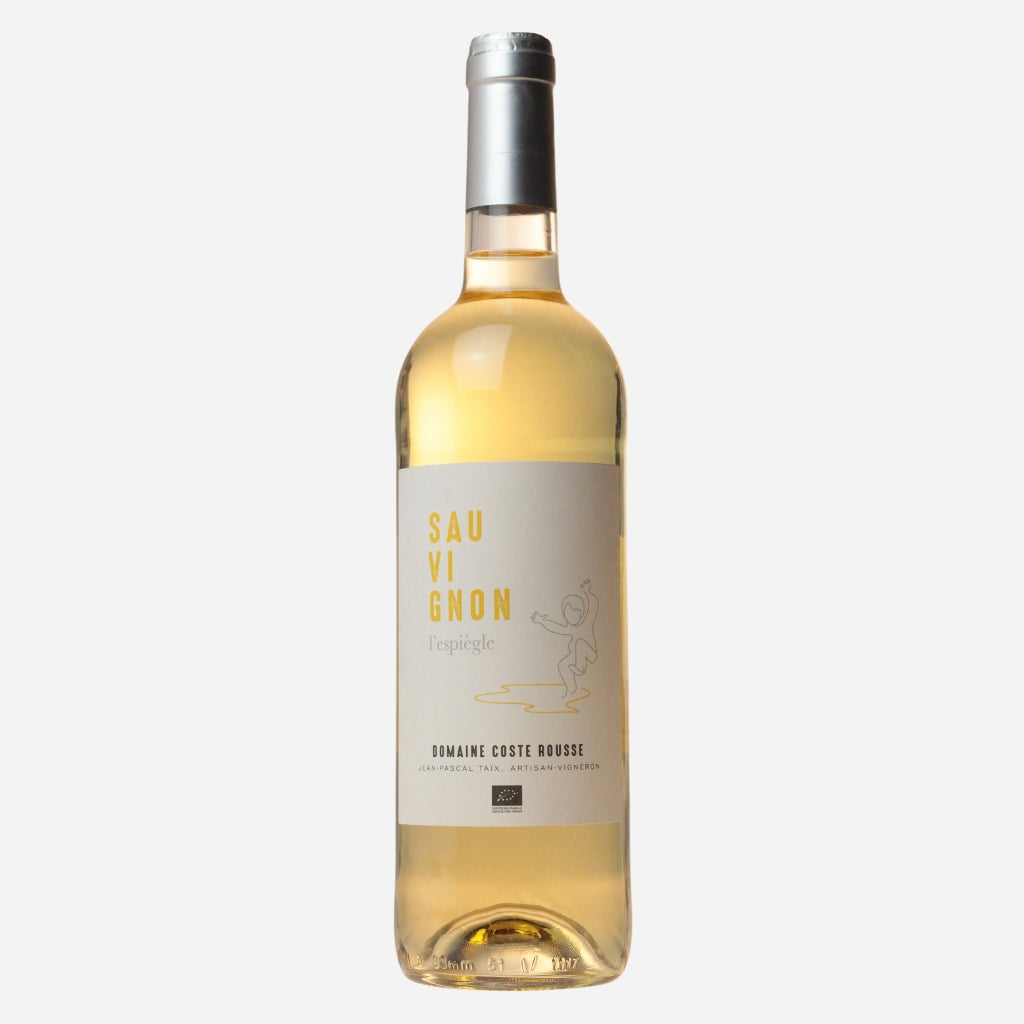
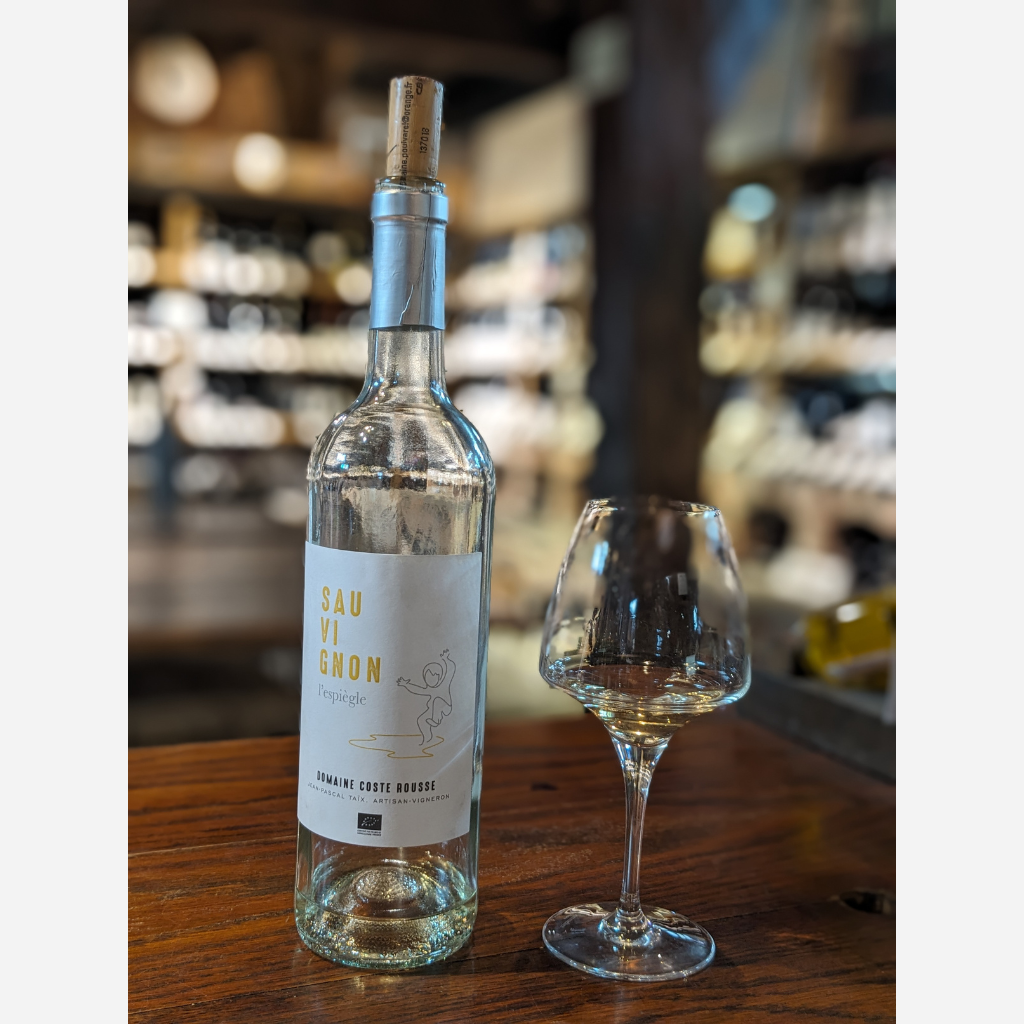
Delicate nose of white flowers. Generous on the palate, floral and slightly acidulated, with dried fruit notes and a long finish. Serve at 10°C.

Wine Information

Vintage 2022
Region Languedoc-Roussillon
Appellation Cotes de Thongue
Style White
Producer Domaine Coste Rousse
Grapes 100% Sauvignon
Pairing Fish, Shellfish
Keeping Drink within 2 to 3 years of bottling.
Vinification

The grapes are pressed using inert gas, and after a light settling of the must, the temperature is controlled at 14-16, producing fine fruity wines. It is left in the vat with its sediment for 6 months.

Viticulture
Bottle 75cl
Volume 12.5%


Domaine Coste Rousse

Domaine Coste Rousse


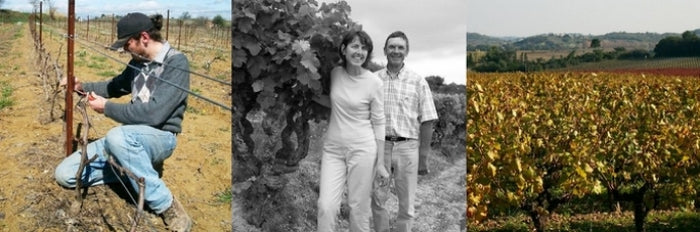
The Domaine is situated in the village of Malagas near Beziers in Cotes de Thongue. The family Taix, with an array of 11 different grapes 4 for the whites and 7 for the reds produce a fascinating range of very well made wines. We have great belief in this totally dedicated family. Considering the array of options with so many grapes available, we think the future is bright.

Region and Appellation Information
Languedoc

Region – Languedoc

The Languedoc, though often referred to loosely as a single entity, is not a wine appellation in its own right but a broad Mediterranean region encompassing a wealth of individual appellations. Traditionally, labels carried the specific titles of Languedoc AOC and its numerous sub-regions, from Corbières and Minervois to Pic Saint-Loup and Faugères. Since January 2016, the historic Languedoc-Roussillon and Midi-Pyrénées regions have been administratively merged into Occitanie, France's newest region. Stretching along the coast from the Rhône towards the Spanish border, the Languedoc is one of France's largest and most diverse wine-producing areas.

Appellation – Cotes de Thongue

Sitting in the north-central Languedoc, between Pézenas and Béziers, Cotes de Thongue's 14 villages enjoying a sun-drenched Mediterranean climate. The sea once covered the area, leaving soils rich in marine fossils that are easily found among the vines. Classed as an IGP, the region allows considerable freedom in grape varieties, producing some genuinely interesting and characterful wines. With the decline of the cooperatives and the rise of independent producers, this lesser-known region is beginning to shine and reveal its full potential.