Tasting notes

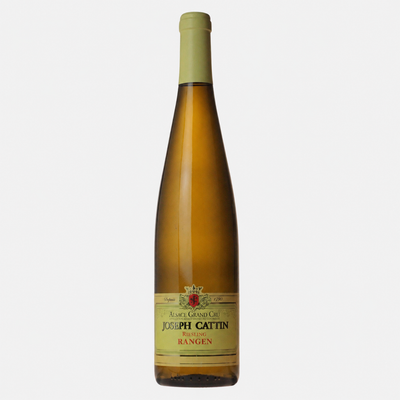
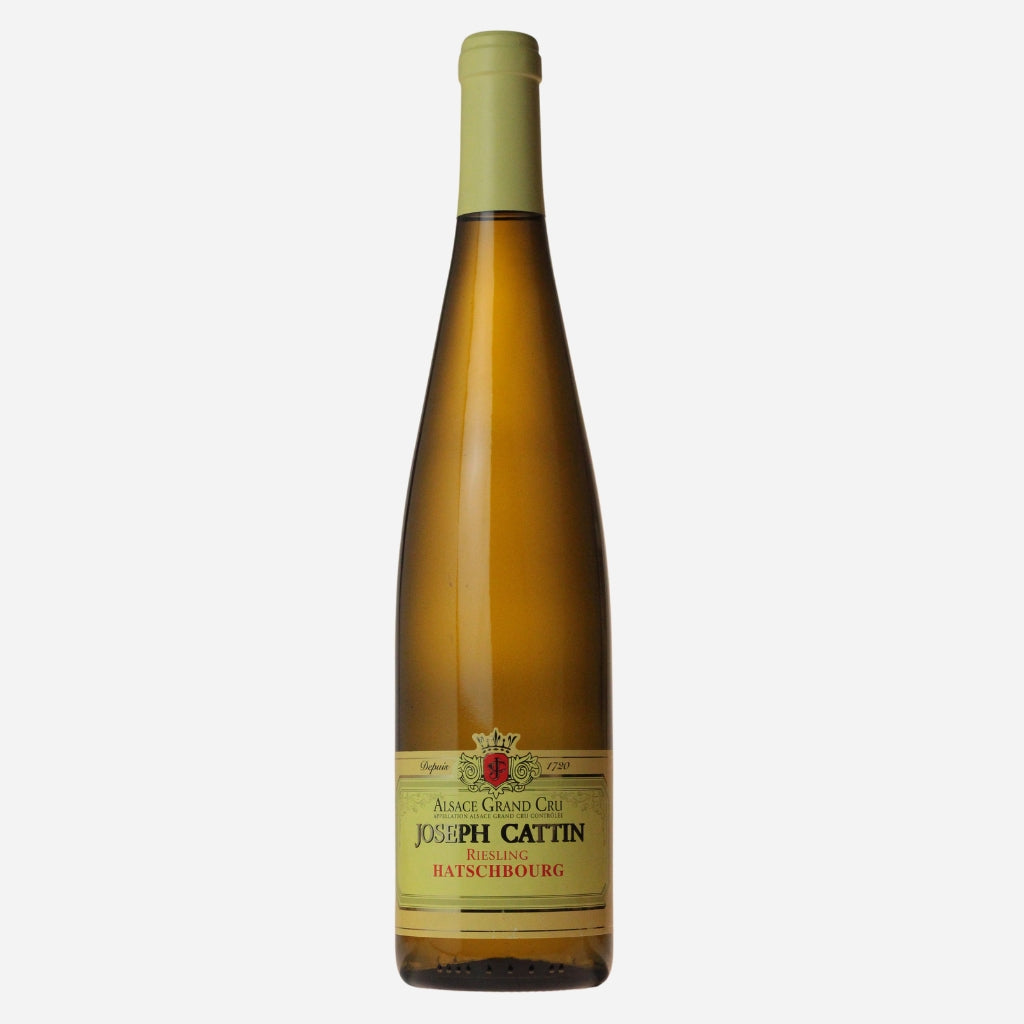
Intense and mineral nose, with citrus and liquorice notes. The mouth is wonderfully mineral, with a light citrus aroma and a delicate acidity on the finish.

Taste profile

BodyLight
SweetnessDry
AcidityFresh

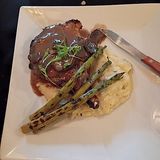
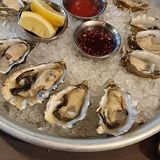
Pairs with

Wine information

Vintage
2023
Region
Alsace
Appellation
Alsace Grand Cru
Style
White
Producer
Joseph Cattin
Grapes
100% RieslingRiesling
Keeping
Drink within 10 to 15 years of bottling.
Bottle
75cl
Alcohol
13.0%

Vineyard. Uses High Environmental Value Farm products in production

Winemaking. Limited yields. A soil made of marl and limestone which is heavy, deep and well drained. Vines on south-east oriented slopes, 220m to 330m above sea level. Guyot pruning. Sustainable farming practices to preserve the richness. Ageing in traditional big old oak casks.

Tasting sheet (PDF) →
Joseph Cattin

The producer

Joseph Cattin

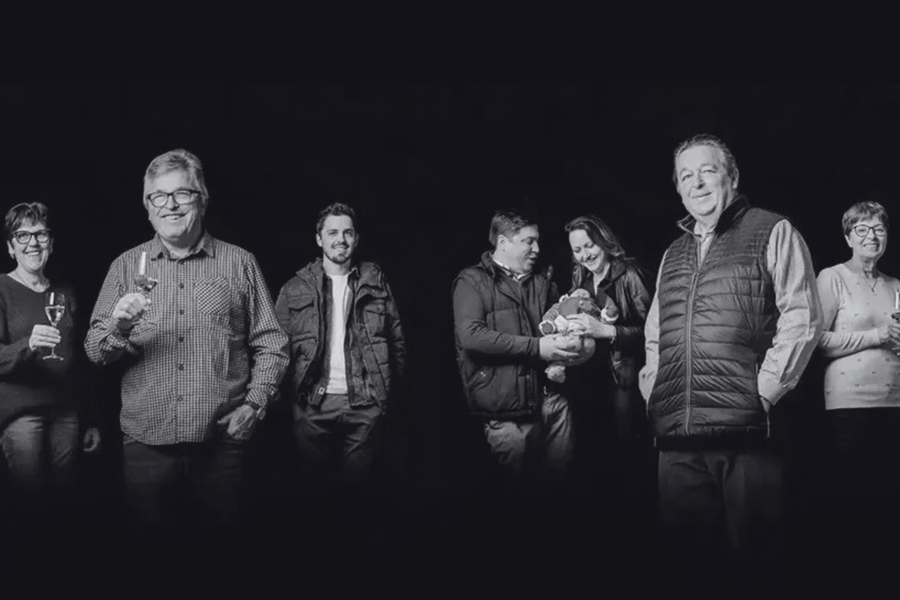
Situated in Voegtlinshoffen near Colmar, the Domaine Joseph Cattin has been making its own wines for nearly 300 years. This is a family-run estate, managed by brothers Jacques and Jean-Marie, with the help of Jacques’ son (Jacques Jnr). The family’s watchwords are elegance and authenticity, and they use traditional methods for winemaking alongside new equipment for best results.

All wines from Joseph Cattin →
Region and Appellation Information
Alsace

Region – Alsace

Alsace is unique among the French wine regions due to its German influences, which play an equal role in sculpting the area's language, traditions - and even its wines. Many of its slopes face east, benefiting from plenty of sunlight, as well as a very special variety of 'terroir' made up of granite, limestone, clay, loam, and volcanic soils. Alsace shares the River Rhine with Germany as a common border. Its summers are hot and sunny, and it is the driest region in France after Roussillon in the south.

Appellation – Alsace Grand Cru

Alsace Grand Cru is the region's top appellation, reserved for wines from 51 delimited vineyard sites recognised for their superior terroir. It applies almost exclusively to the four "noble" grape varieties — Riesling, Gewürztraminer, Pinot Gris, and Muscat — each vinified as a single variety and labelled with its specific lieu-dit. Yields are lower and regulations stricter than for standard Alsace AOC, resulting in wines of greater concentration, complexity, and ageing potential. They range from dry to richly sweet, expressing the distinctive character of each individual site.