Tasting Notes

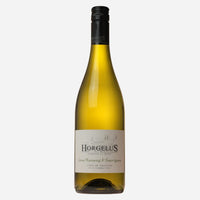
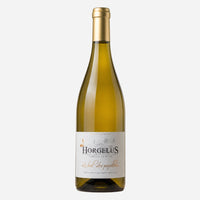
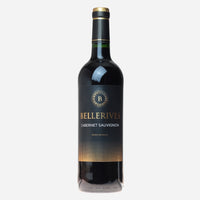
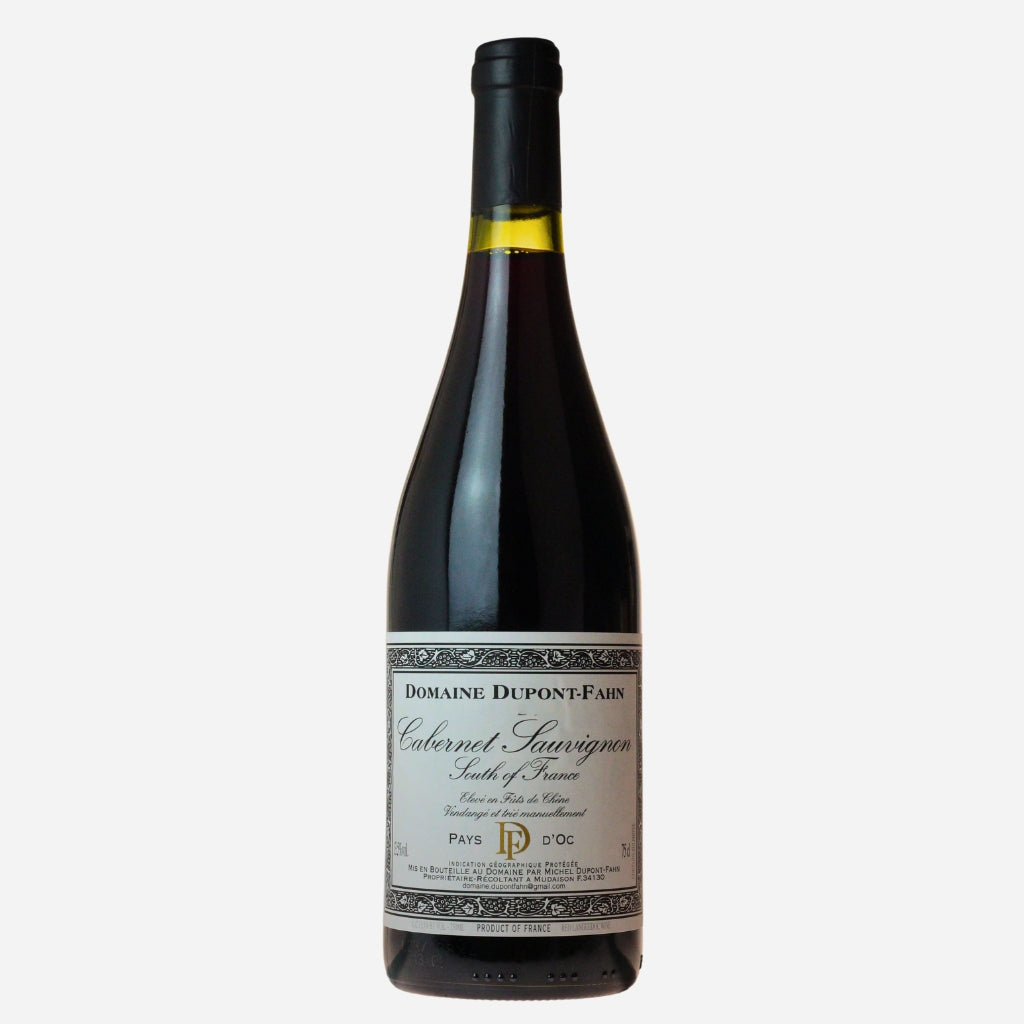
This Cabernet-Sauvignon made by Domaine Dupont-Fahn has a good earthy long after-taste whilst holding lingering fruits.

Will match red or white meat.

Wine Information

Vintage 2024
Region Languedoc-Roussillon
Appellation IGP Pays d'Oc
Style Red
Producer Domaine Dupont-Fahn
Grapes 100% Cabernet Sauvignon
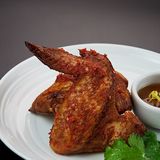
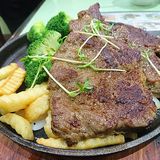
Pairing Beef, Chicken
Keeping Drink within 5 years of bottling.
Vinification
Manual harvesting, aged in oak.
Bottle 75cl
Volume 13.5%


Domaine Dupont-Fahn

Domaine Dupont-Fan


A tale of two stories... a few years ago a Burgundy man bought a vineyard near Montpellier in the South of France. He uses Chardonnay for the whites and makes it as if it was a Burgundy, using the same method, making a wonderful result. As to the red made with Cabernet-Sauvignon, the combination is even more challenging, as you have a traditional Bordeaux grape, grown in the South of France and made by a Burgundy man. The result is compelling!

Region and Appellation Information
Languedoc

Region – Languedoc

The Languedoc, though often referred to loosely as a single entity, is not a wine appellation in its own right but a broad Mediterranean region encompassing a wealth of individual appellations. Traditionally, labels carried the specific titles of Languedoc AOC and its numerous sub-regions, from Corbières and Minervois to Pic Saint-Loup and Faugères. Since January 2016, the historic Languedoc-Roussillon and Midi-Pyrénées regions have been administratively merged into Occitanie, France's newest region. Stretching along the coast from the Rhône towards the Spanish border, the Languedoc is one of France's largest and most diverse wine-producing areas.

Appellation – Pays d'Oc

Pays d'Oc is one of the largest wine regions in France and the world, covering much of southern France and overlapping the Languedoc-Roussillon. It is not an AOP but an IGP, spanning four departments - the Aude, Gard, Hérault, and Pyrénées-Orientales - with a few communes in Lozère. As one of the sunniest wine regions on the continent, with diverse microclimates and relatively relaxed regulations, it allows growers to work with virtually any grape and to produce still, sweet, and sparkling wines in every colour. Home to some 200 cooperatives and 1,200 independent producers, it accounts for 60% of France's IGP-level wine - around 760 million bottles a year - and, with quality better than ever, rewards those seeking out its many gems.