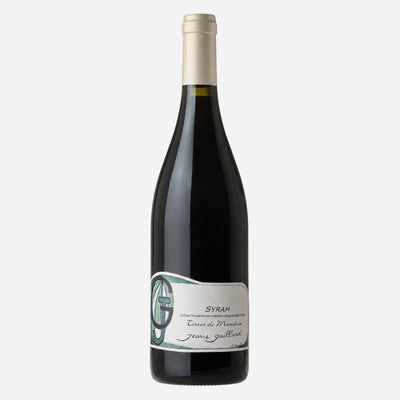
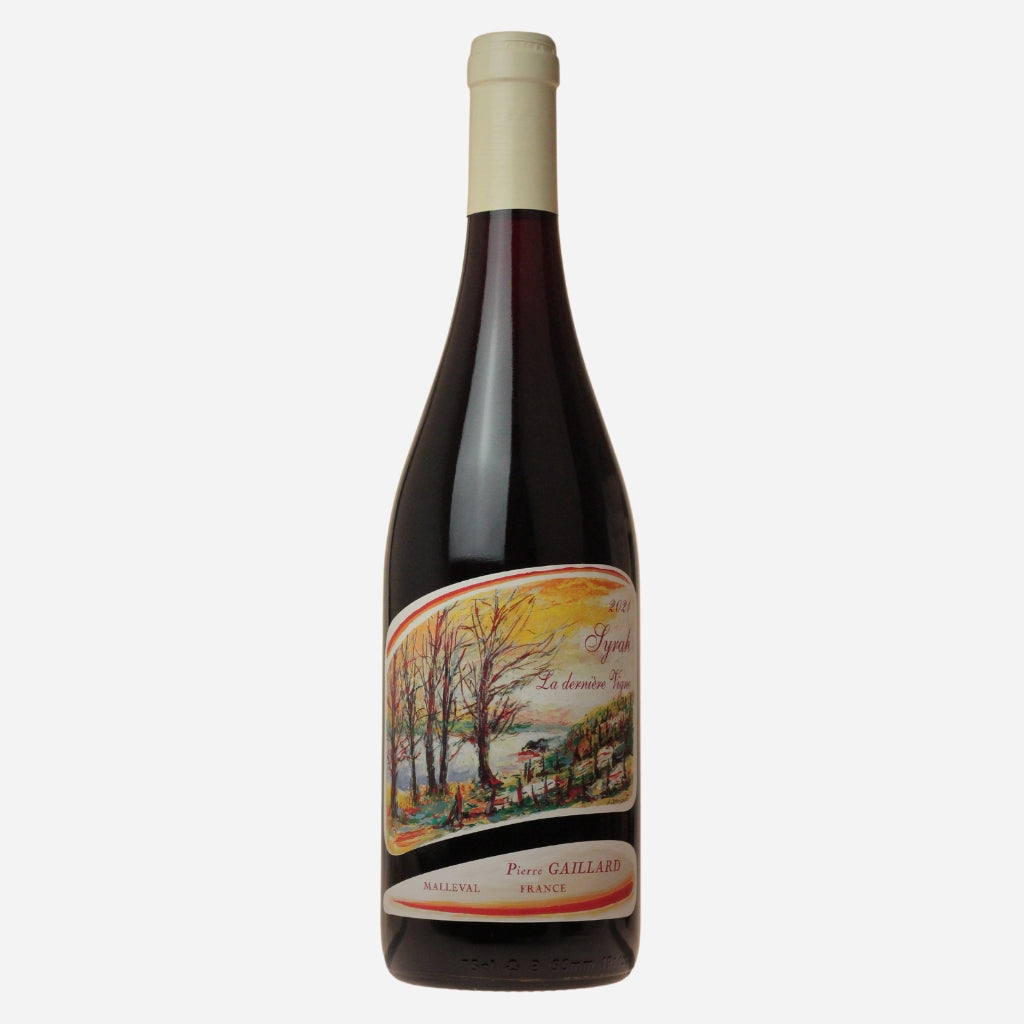
Tasting notes

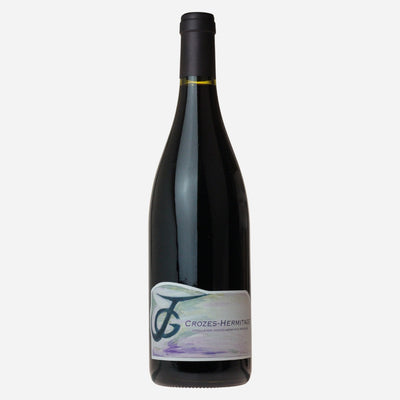
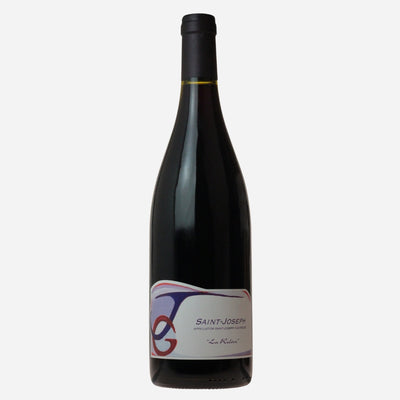
Fleshy, strong and very elegant. This wine reflects its terroir of schist slopes, facing south on the left bank of the Rhône.

Taste profile

BodyFull
SweetnessDry
AcidityMedium
TanninMedium

Wine information

Vintage
2022
Region
Rhone
Appellation
Vin de France
Style
Red
Producer
Domaine Pierre Gaillard
Grapes
100% SyrahSyrah
Keeping
Drink within 15 years of bottling.
Bottle
75cl
Alcohol
13.5%

Winemaking. Cold fermentation before maceration and 18 months aged in oak.

Tasting sheet (PDF) →

The producer

Famille Pierre Gaillard

   Pierre Gaillard, after studying Viticulture and Enology and bought his first vineyard in 1981. The Gaillard Family own 4 vineyards across Rhone, Roussillon, and across southern France.   The Pierre Gaillard vineyard is located in the northern part of the Rhone Valley, ranging from Cote-Rotie down through to Cornas in the South, this vineyard is made up of 25 hectares, situated on...

All wines from Famille Pierre Gaillard →
Region and Appellation Information
Rhone

Region – Rhone

The Rhône Valley is home to some of the oldest vineyards in the world, with wine production dating back to Greek occupation in the 4th century BC and thriving under the Romans; it was later revived when the papacy moved to Avignon in the fourteenth century, giving Châteauneuf-du-Pape ('the Pope's new castle') its name. The Northern Rhône is home to prestigious names such as Côte-Rôtie, Condrieu, and Hermitage - small-production wines of exceptional quality - where Syrah is the sole red grape and whites come from Viognier, Marsanne, and Roussanne. The larger, warmer Southern Rhône is best known for the bold Châteauneuf-du-Pape and its rival Gigondas, alongside excellent-value names such as Vacqueyras, Rasteau, and Cairanne. Its wines are predominantly red, built chiefly on Grenache, Syrah, and Mourvèdre.

Appellation – Vin de France

France's most flexible wine category, Vin de France sits below AOC and IGP with the fewest regulatory constraints. Producers can source grapes from anywhere in the country, blend across regions, and use grape varieties freely without geographic or local appellation restrictions. Crucially, it's the only category that permits stating the grape variety and vintage on the label without a regional appellation, with this freedom attracting quality-focused winemakers who want to experiment outside rigid AOC rules.