Tasting Notes

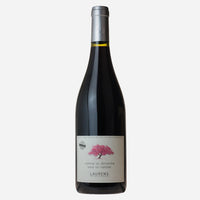
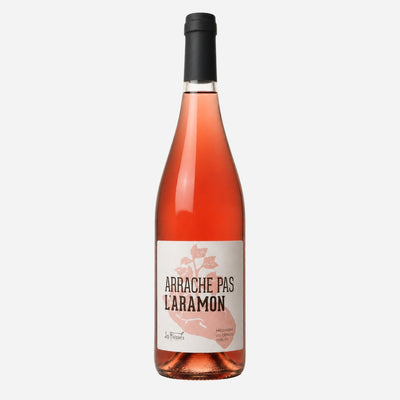
Only 10 to 12,000 bottles produced per year. A fruity wine, easy to drink but with a good aromatic persistence.

Wine Information

Vintage 2024
Region Languedoc-Roussillon
Appellation Saint Chinian
Style Red
Producer Domaine des Païssels
Grapes
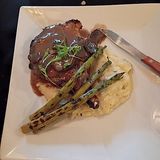
Pairing Pork, Cheese
Keeping Drink within 3 to 5 years of bottling.
Terroir Vines on schist soils, between 150 and 250m altitude.
Vines Old vines trained in goblet style, 30 to 70 years old. Respect for the soil, no herbicides or chemical fertilizers.
Vinification Destemmed and crushed grapes. Gentle extraction by punching down and pumping over. Aged for 8 to 10 months in vats.
Ideal Serving Temperature 17°C
Bottle 75cl
Volume 14.0%


Domaine des Paissels

Domaine des Paissels
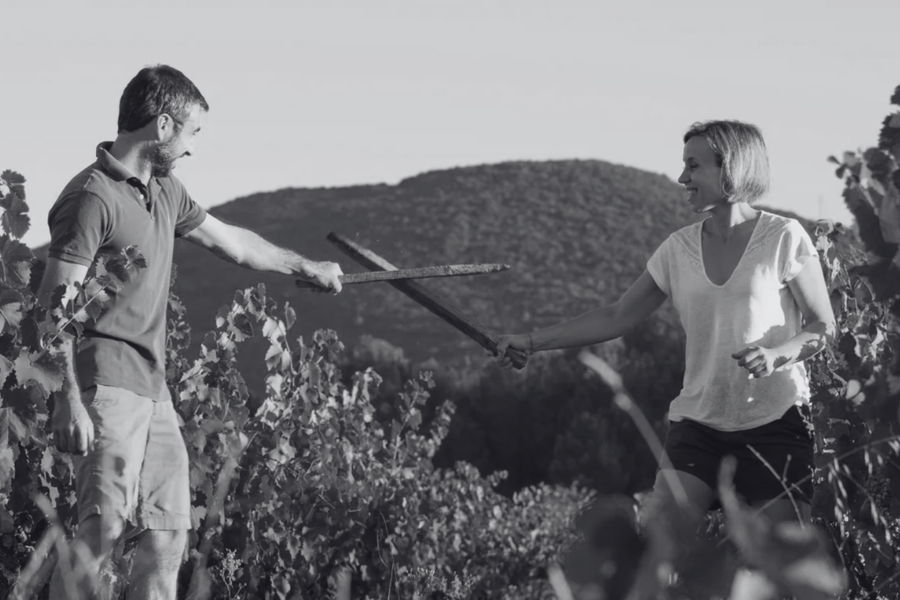
Located in Babeau, 5km from Saint-Chinian on schist slopes, this family property has been created and maintained by generations of farmers. The area has been gradually specialised in the making of wine. The family is passionate, and attached to these few acres of vines.
Region and Appellation Information
Languedoc

Region – Languedoc

The Languedoc, though often referred to loosely as a single entity, is not a wine appellation in its own right but a broad Mediterranean region encompassing a wealth of individual appellations. Traditionally, labels carried the specific titles of Languedoc AOC and its numerous sub-regions, from Corbières and Minervois to Pic Saint-Loup and Faugères. Since January 2016, the historic Languedoc-Roussillon and Midi-Pyrénées regions have been administratively merged into Occitanie, France's newest region. Stretching along the coast from the Rhône towards the Spanish border, the Languedoc is one of France's largest and most diverse wine-producing areas.

Appellation – Saint-Chinian

A small, highly regarded appellation in the Languedoc, lying 33 kilometres inland on the elevated, rocky soils where the Massif Central begins. A source of wine since ancient times, its 3,000 hectares produce red, white, and rosé, with reds built chiefly on Grenache, Syrah, and Mourvèdre. Officially established in 1982 for red and rosé - with white permitted since 2005 — it enjoys an exceptional terroir blessed by both Mediterranean and mountain influences.