Tasting notes

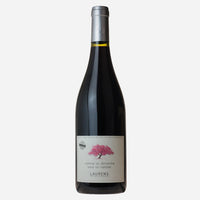
The nose is concentrated and subtle opening up with aromas of red fruits enhanced by mineral notes of smoked clay (schist). It evolves towards notes of chocolate and liquorice. The mid-palate is orchestrated by a schist minerality which gives fruity volume. This wine expresses aromatic and tactile nuances that continue to develop over time.

Taste profile

BodyFull
SweetnessDry
AcidityFresh
TanninMedium

Pairs with

Wine information

Vintage
2020
Region
Languedoc
Appellation
Saint-Chinian
Style
Red
Producer
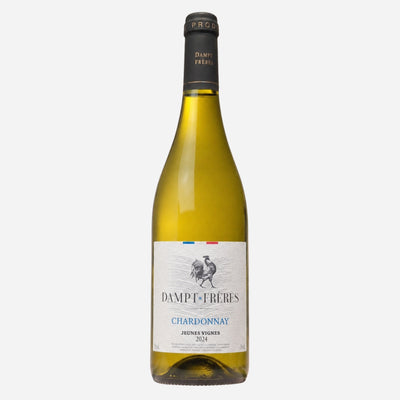
Dampt Freres
Grapes
Grenache NoirSyrahMourvèdre
Keeping
Drink within 5 to 10 years of bottling.
Bottle
75cl
Alcohol
13.0%

Winemaking. Malolactic fermentation. Aging in stainless steel vats, 18 to 24 months.

Tasting sheet (PDF) →

The producer

Dampt Freres

Located in the heart of Chablis and the Tonnerrois, Eric and Emmanuel Dampt have been implementing a ‘lutte raisonnée’ for over 20 years, combining modern and traditional methods to create wines of special character. Today, the 'Dampt Freres' are proud to produce a range of wines representative of the 3 Valleys of the Yonne, the Serein and the Armançon.

All wines from Dampt Freres →
Region and Appellation Information
Languedoc

Region – Languedoc

The Languedoc, though often referred to loosely as a single entity, is not a wine appellation in its own right but a broad Mediterranean region encompassing a wealth of individual appellations. Traditionally, labels carried the specific titles of Languedoc AOC and its numerous sub-regions, from Corbières and Minervois to Pic Saint-Loup and Faugères. Since January 2016, the historic Languedoc-Roussillon and Midi-Pyrénées regions have been administratively merged into Occitanie, France's newest region. Stretching along the coast from the Rhône towards the Spanish border, the Languedoc is one of France's largest and most diverse wine-producing areas.

Appellation – Saint-Chinian

A small, highly regarded appellation in the Languedoc, lying 33 kilometres inland on the elevated, rocky soils where the Massif Central begins. A source of wine since ancient times, its 3,000 hectares produce red, white, and rosé, with reds built chiefly on Grenache, Syrah, and Mourvèdre. Officially established in 1982 for red and rosé - with white permitted since 2005 — it enjoys an exceptional terroir blessed by both Mediterranean and mountain influences.