Tasting notes

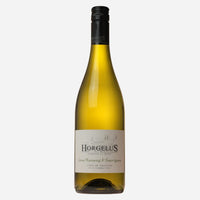
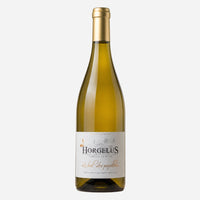
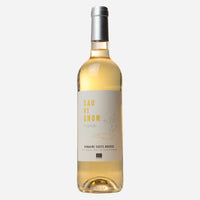
The intense and complex nose will reveal exotic aromas with a touch of white pepper. The mouth is round and fruity with an intense finish.

Taste profile

BodyMedium
SweetnessDry
AciditySoft

Pairs with

Wine information

Vintage
2024
Region
Loire
Appellation
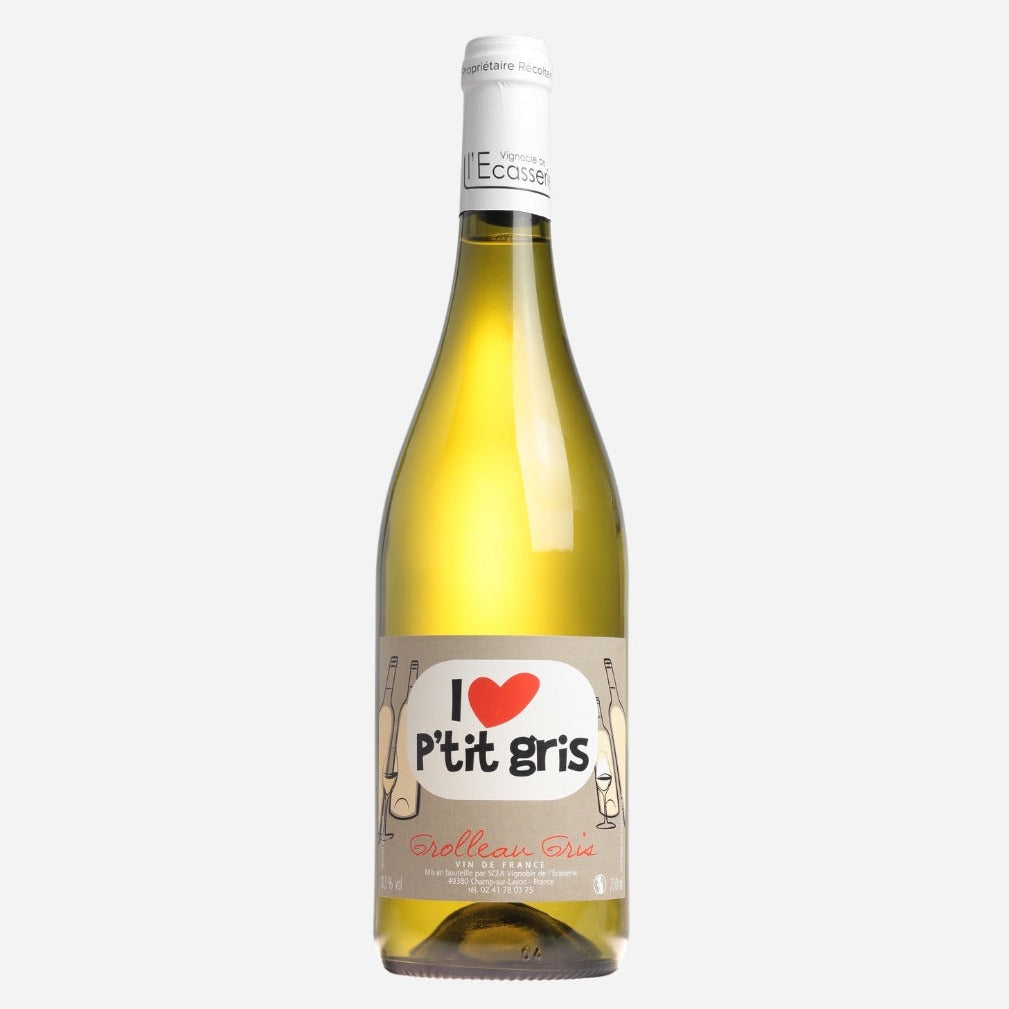
Vin de France
Style
White
Producer
Vignoble d l'Ecasserie
Grapes
100% Grolleau GrisGrolleau Gris
Keeping
Drink within 2 years of bottling.
Bottle
75cl
Alcohol
10.5%

Winemaking. Direct pressing, slow with light settling. Traditional vinification with temperature regulation. Bottling in March.

Tasting sheet (PDF) →

The producer

Domaine Moncourt

Founded in 1994 by Jean-Charles Moreau on the banks of the Loire, Domaine Moncourt today covers some fifty hectares between Anjou and Saumur, with a diversity of grape varieties and terroir. Combining respect for tradition, they embody the values and heart of a father and son working with passion!  In addition there is Vignoble de l'Ecasserie, born in 2021 from...

All wines from Domaine Moncourt →
Region and Appellation Information
Loire

Region – Loire

The Loire is France's longest river, running almost 400km from the Massif Central westwards to the Atlantic, and gives its name to one of the country's most diverse wine regions. Spanning some 57,000 hectares across Loire-Atlantique, Anjou-Saumur, Touraine, and the Centre, it produces the full range of styles - fresh, light whites from Sauvignon Blanc and Chenin Blanc, elegant reds and rosés from Cabernet Franc, Pinot Noir, and Gamay, plus sweet and sparkling wines. Its western vineyards enjoy a maritime Atlantic climate, while the more easterly Centre is cooler and continental, and its chalky limestone soils help the wines retain their signature freshness and acidity. Home to 69 appellations, including the famous Sancerre and Pouilly-Fumé, the Loire offers something to please every palate.

Appellation – Vin de France

France's most flexible wine category, Vin de France sits below AOC and IGP with the fewest regulatory constraints. Producers can source grapes from anywhere in the country, blend across regions, and use grape varieties freely without geographic or local appellation restrictions. Crucially, it's the only category that permits stating the grape variety and vintage on the label without a regional appellation, with this freedom attracting quality-focused winemakers who want to experiment outside rigid AOC rules.