Tasting Notes

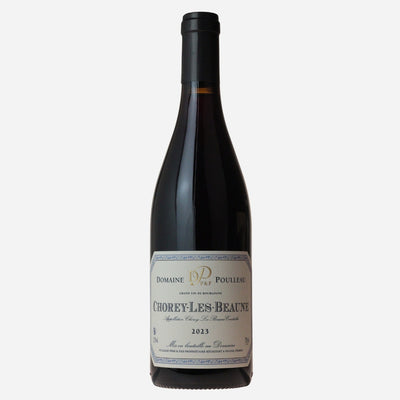
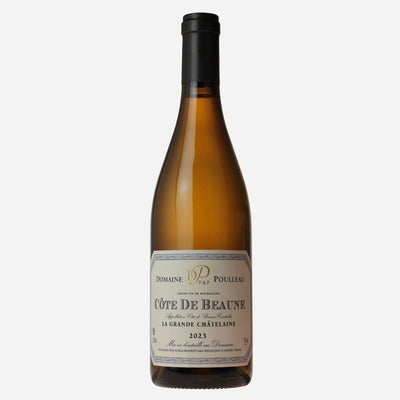
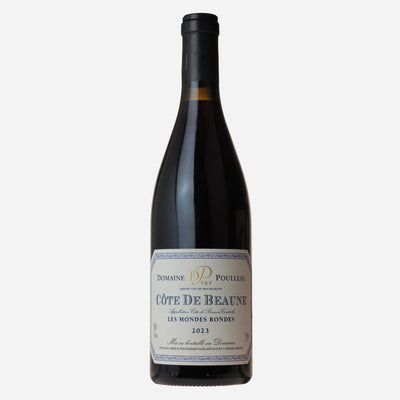
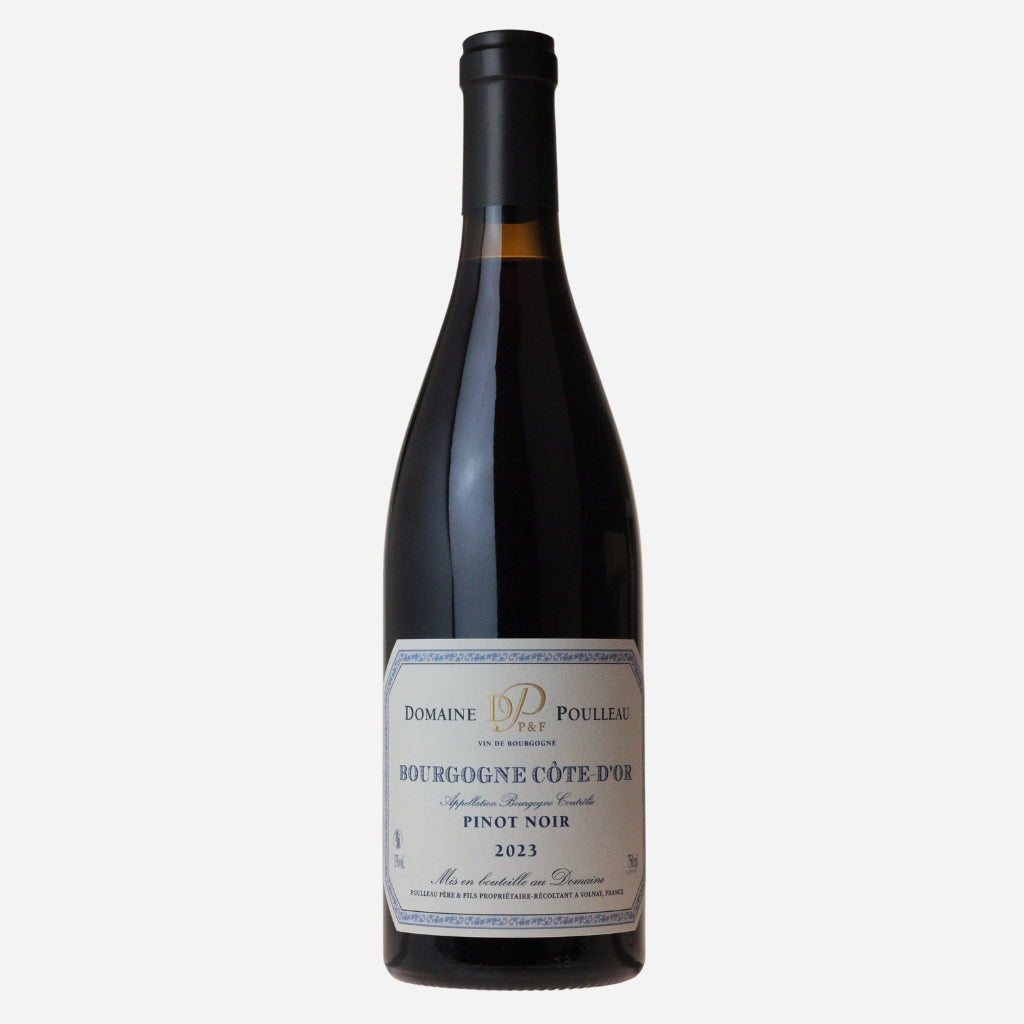
Purple dress. Bouquet of small red fruits. Soft and round wine. Aged in oak casks for a year.

An annual production of 6,000 bottles.

Wine Information

Vintage 2023
Region Burgundy
Appellation Bourgogne Cote d'Or
Style Red
Producer Domaine Poulleau
Grapes 100% Pinot Noir
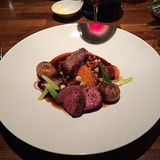
Pairing Game, Cheese
Keeping Drink within 5 to 6 years of bottling.
Vinification Destemming and Cold maceration. Extraction of colourings and tannins. Alcoholic fermentation.
Punching of the cap. Chaptalisation, De-vatting and Pressing. Ageing in oak casks. Malolactic fermentation.
Racking with light filtration, and matured in oak casks.
Bottle 75cl
Volume 12.5%


Domaine Poulleau


Domaine Poulleau was founded in 1960. Michel and Jacqueline, his wife, started this activity together. In 1983, their son Thierry took part in the adventure, later then joined by his wife Florence. Together, they took over the management of the estate in 1996. Attached to working the soil and the vines, they opted for sustainable viticulture on the entire 8 Ha estate.
 
Region and Appellation Information
Burgundy

Region – Burgundy

The region of Burgundy, also known as Bourgogne, has a rich and opulent history. In the fourteenth and fifteenth centuries, the Grand Duchy of Burgundy reached as far as Belgium and the North Sea, becoming renowned for its riches, culture, and wine. Building on vineyards planted by the Romans and later cultivated by medieval monks, the region established a winemaking legacy that endures today. Despite being geographically small, Burgundy produces some of the most expensive and sought-after wines in the world, its limestone soils lending them a uniquely appetising minerality that sets a Burgundy apart from its peers.

Appellation – Bourgogne Cote d'Or

Created in 2017, the wine appellation of Bourgogne Cote d'Or lies in the heart of Burgundy. It covers the Cote de Beaune and Cote de Nuits areas and allows producers to classify wines made here above those produced under the generic regional label of Bourgogne AOC. It was created to showcase wines of higher quality, closer to the village-level classification, and to give producers greater flexibility in classifying their wines within the larger Bourgogne appellation.

To be eligible for the appellation, the wines must be made exclusively from Pinot Noir and Chardonnay, and estimates suggest that similar quantities of the two grapes are produced under it. The vineyards sit on the east-facing slopes of the Cote d'Or, below the mid-slope villages but above the plains, which use the Bourgogne classification.