Tasting notes

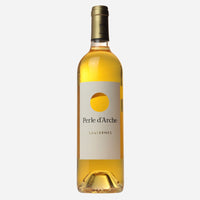
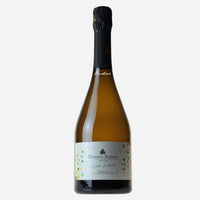
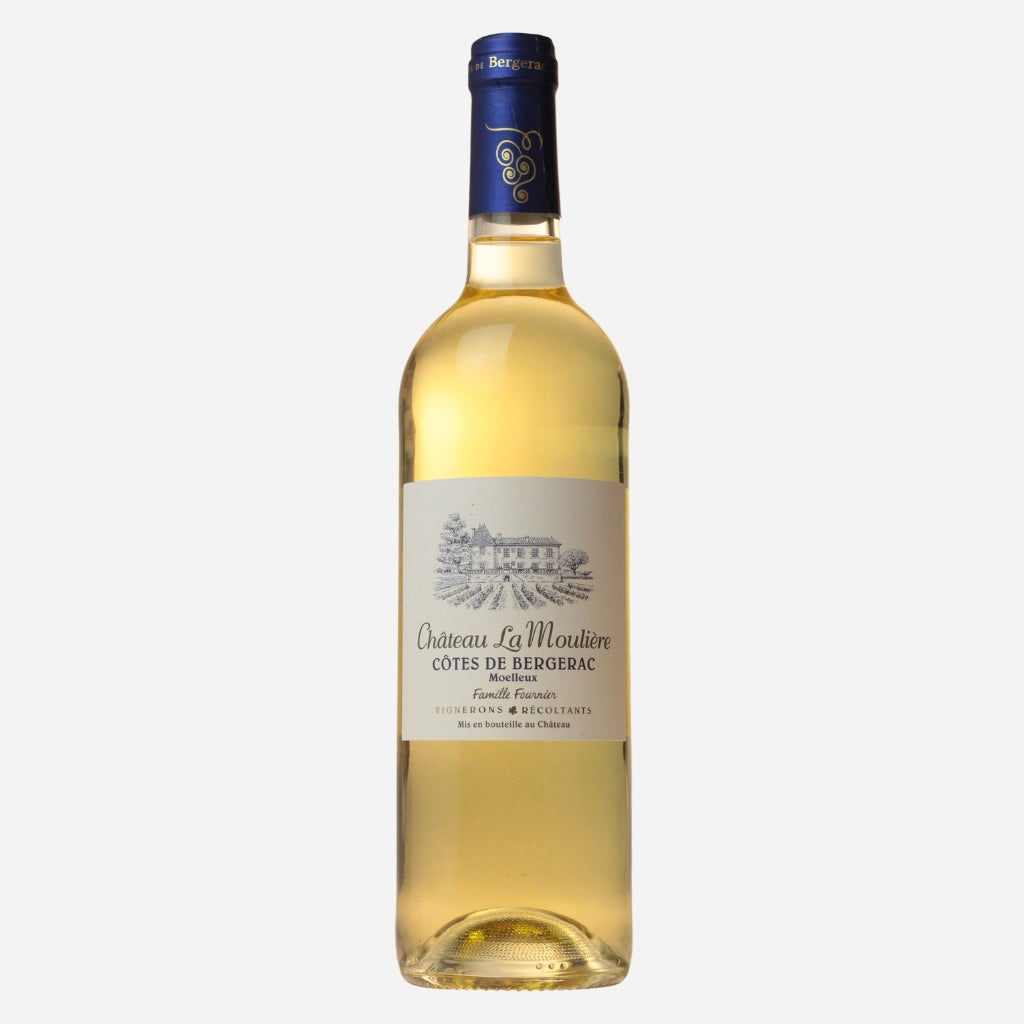
Pretty yellow colour, limpid and brilliant with golden reflections. The nose is frank, fresh and fruity with aromas of pear and pineapple. The palate is supple and lively, then round and mellow, developing pleasant fruity flavours that persist for a long time on the finish.

Taste profile

BodyMedium
SweetnessSweet
AcidityFresh

Pairs with

Wine information

Vintage
2023
Region
South West
Appellation
Côtes de Bergerac
Style
Dessert
Producer
Château La Moulière (Bonhoste)
Grapes
SémillonSauvignon BlancMuscadelle
Keeping
Drink within 5 to 6 years of bottling.
Bottle
75cl
Alcohol
11.5%

Vineyard. Made by a Independent Vineyard (Vigneron Independant), Uses High Environmental Value Farm products in production

Winemaking. The berries are pressed to extract the juice. This juice is then placed in a vat where the alcoholic fermentation will take place. In order to extract a maximum of aromas, we will maintain the temperature between 16 and 18 ° C throughout the alcoholic fermentation. This alcoholic fermentation lasts on average 15 days, followed by ageing on the lees for 15 days in order to add fat and stability to the wine.

Tasting sheet (PDF) →
Chateau de Bonhoste

The producer

Chateau de Bonhoste

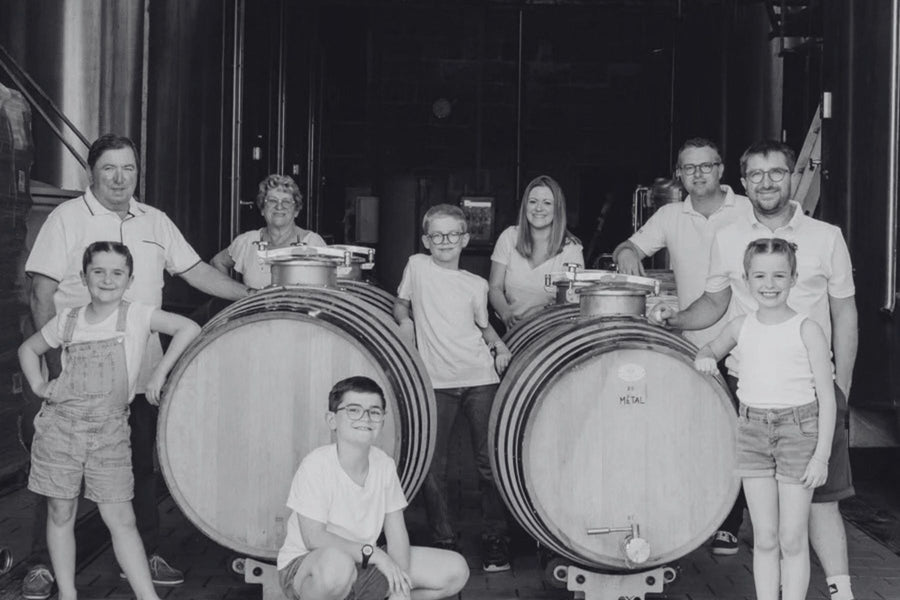
Located in Saint-Émilion, Bordeaux Chateau de Bonhoste is operated and owned by Sylvaine and Yannick Fournier. They possess two vineyards - one in Bordeaux on the edge of the Entre-deux-Mers and the other in Bergerac. The business was formed in 1895, when the Buissiere family created Château de Bonhoste and in 1977, Bernard Fournier, grandson of Mrs Bussiere brought the two...

All wines from Chateau de Bonhoste →
Region and Appellation Information
Sud Ouest

Region – Sud Ouest

First cultivated by the Romans, the South West is one of France's largest wine-producing regions, encompassing a vast and varied area to the west of (but not including) Bordeaux. Its local rivers, such as the Garonne and Dordogne, once played an important role in transporting the wines to market, though having to pass through Bordeaux and its protective trade laws left the region long overshadowed by its famous neighbour. Today, the South West is celebrated for its sweet, dry, and sparkling whites and its robust reds, made from an exceptional diversity of local grape varieties rarely found elsewhere. Its varying climates and elevations produce some genuinely distinctive and characterful wines.

Appellation – Cotes de Bergerac

Set along the Dordogne river just east of Bordeaux, Côtes de Bergerac is a superior designation within the wider Bergerac area, distinguished by stricter production rules, lower yields, and higher ripeness that give wines of particular concentration and structure. Applied chiefly to reds and sweet whites, its reds are built on the classic Bordeaux blend of Merlot, Cabernet Sauvignon, and Cabernet Franc, offering full-bodied, age-worthy wines with ripe dark fruit and firm tannins. The sweet whites, made from Sémillon, Sauvignon Blanc, and Muscadelle, are rich and luscious.