Tasting Notes

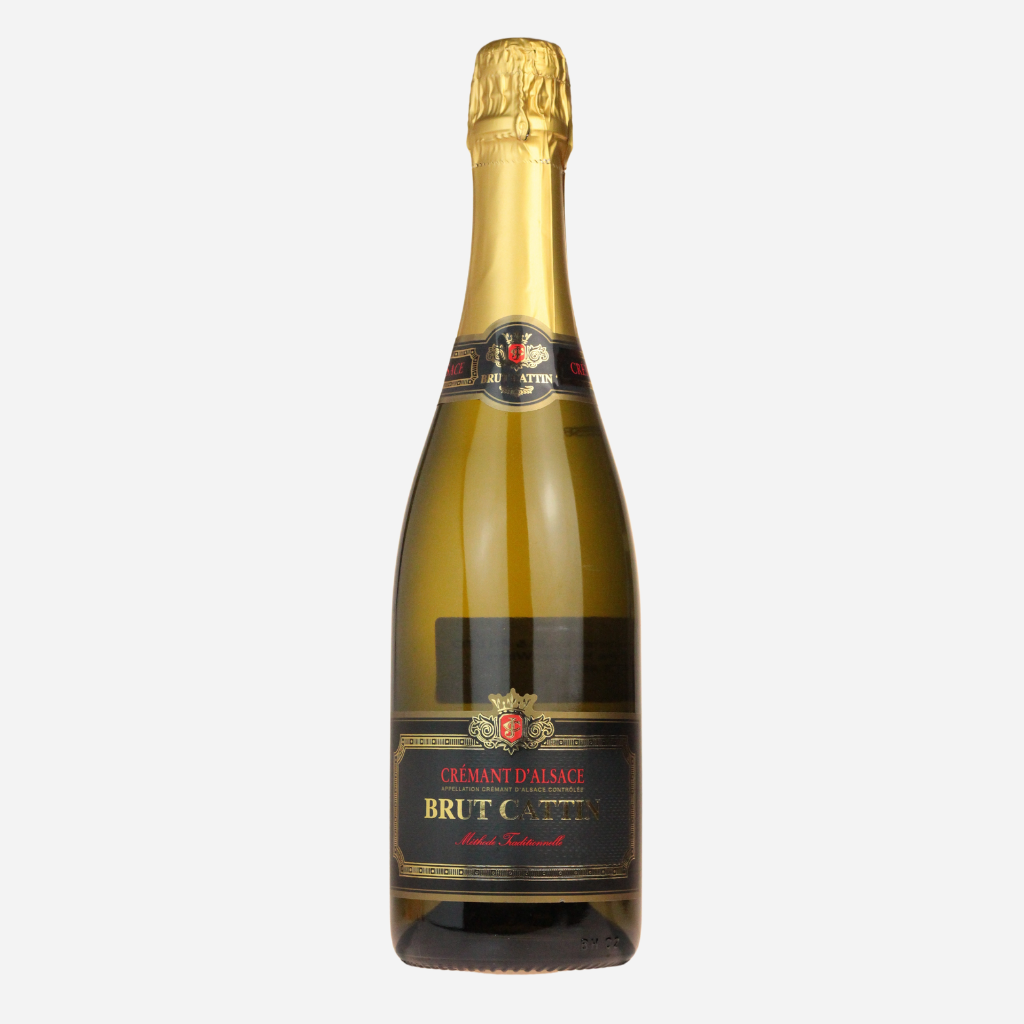
This Cremant's sparkling character and well-balanced fruit make it the ideal partner for all memorable occasions.

Wine Information

Vintage N/V
Region Alsace
Appellation Crémant d'Alsace
Style White, Sparkling
Producer Joseph Cattin
Grapes Pinot Blanc
Pairing Aperitif
Keeping Drink within the next 3 years.
Vinification The Wine is bottled in accordance with the traditional method, aged for 12-15 months.
Viticulture Uses High Environmental Value Farm products in production
Bottle 75cl
Volume 12.0%


Joseph Cattin

Domaine Horgelus


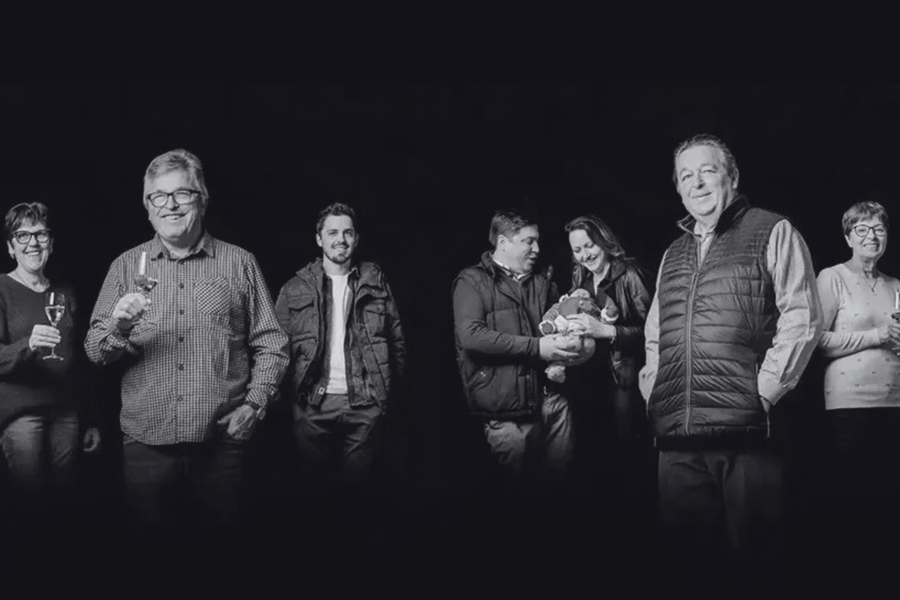
Situated in Voegtlinshoffen near Colmar, the Domaine Joseph Cattin has been making its own wines for nearly 300 years. This is a family-run estate, managed by brothers Jacques and Jean-Marie, with the help of Jacques’ son (Jacques Jnr). The family’s watchwords are elegance and authenticity, and they use traditional methods for winemaking alongside new equipment for best results.

Region and Appellation Information
Alsace

Region – Alsace

Alsace is unique among the French wine regions due to its German influences, which play an equal role in sculpting the area's language, traditions - and even its wines. Many of its slopes face east, benefiting from plenty of sunlight, as well as a very special variety of 'terroir' made up of granite, limestone, clay, loam, and volcanic soils. Alsace shares the River Rhine with Germany as a common border. Its summers are hot and sunny, and it is the driest region in France after Roussillon in the south.

Appellation – Cremant d'Alsace

Sparkling Alsace wines are made under the AOC Crémant d'Alsace, using the traditional method (as used in Champagne). The grapes are picked right at the start of the harvest, when they are at their freshest. This helps the wines to be vibrant, with a cleansing acidity. The grapes authorised for Crémant d'Alsace production are Pinot Blanc, Pinot Gris, Pinot Noir, Riesling, and Chardonnay. Crémant d'Alsace can be produced as either brut (white) or rosé. These sparkling wines are traditionally made by undergoing fermentation twice: once in the barrel, then once in the bottle. Yeast and sugar are added to the bottle, creating a naturally sparkling wine.